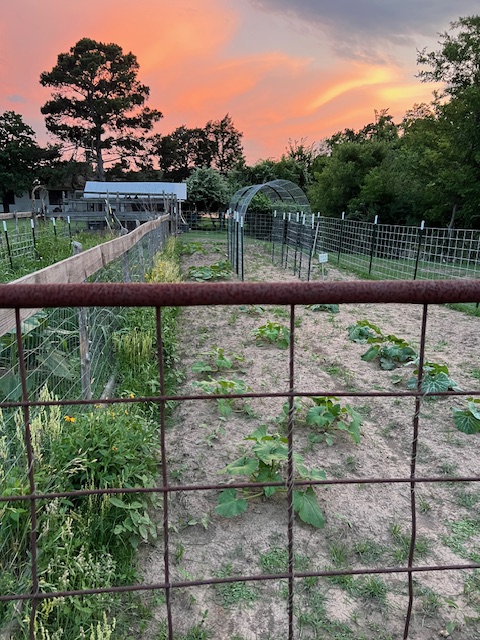
When we were all trapped in our homes during COVID in the spring of 2020, I decided to embark upon a new adventure and plant some seeds in a garden on our farm. The Outdoorsman and I quickly built a cute wooden fence around a sixteen by sixty foot rectangle right next to our chicken coop. We planted tons of vegetables and flowers and, I’m gonna be honest, it all grew beautifully and I came out looking like Martha Stewart or Joanna Gaines by the end of the growing season.
Unfortunately, it now appears it was all beginner’s luck. Apparently the soil was perfectly weed free, the weather was fully cooperative, and I chose the perfect combination of seeds to grow.
Fast forward to the next couple of years. Nothing worked. We tilled and tried to add compost and planted seeds and tried to stay on top of weeds and changed locations of the garden and did all the things. Again, nothing worked. Each year, we would plant over 1,000 seeds and get twenty pieces of squash, two tomatoes, and ten overly ripe cucumbers. The years of successive droughts in Central Texas didn’t help at all.
This year, we’re learning a lot and taking it slow. We made some strategic location changes due to the type of soil in each of our pastures. Since I’m here more than The Outdoorsman during the morning hours each day, I decided to plant fewer seeds each day. I didn’t overextend myself and plant all of the seeds over one weekend or in one day like I have done in the past. I closely watched the weather and planted them when I knew the seeds wouldn’t be washed out by a pond-filling rainstorm. I chose locations that were easier to reach when harvest time comes. Lots of details went into the garden planning this year.
Just this morning, I walked around looking at our thriving, healthy plants and our abundant, new sprouts and thought about a couple of life lessons we can learn from the garden.
Sow your seeds wisely: Think about when and where and how many seeds to plant. Don’t do it haphazardly. Do not try to cut corners on planting and do not sow seeds at the wrong time or sow too sparingly. The life lesson here is for you to choose friends carefully and make wise choices about who to spend your time with and what you will spend your time doing each day. True friends are such a blessing and it is worth the time and effort needed to ripen the fruit of a true friendship.
Watch your seeds begin to sprout and monitor their overall health: When your seeds start growing in the garden, you will monitor the growth and only keep the healthiest sprouts by thinning out the plants that aren’t as healthy. As you start a new relationship or friendship, determine whether or not that person makes you thrive and grown in a healthy way or if that person it is causing you to feel off-kilter and even start to wilt. After you have discerned which feeling the friendship is causing, either try to shore up the relationship with prayer and healthy activities or abandon it altogether if it just feels too unhealthy.
Don’t mix with the wrong company: It’s called companion planting in the garden world. You want to grow basil near tomatoes because the basil protects the tomatoes from pests. When planted near the wrong plant, some vegetables either take on the flavor of the other one or just don’t thrive growing near it. In the same way, you need to take care not to surround yourself with people who take away from your health or your overall well-being. Instead, surround yourself with healthy relationships that actually enhance your life and your appeal.
Weed and tend to your garden: Garden plants do not thrive when the weeds have overtaken them, bugs are not checked, or they are growing alone in the hot afternoon sun with no shade. Just like plants need for us to come in and pull the weeds regularly, humans need to do a heart and attitude check every once in a while. Are my thoughts healthy? Am I honoring God with my thoughts? Do I need to pull the weeds of my mind and learn to focus on what is truly important instead of focusing on the irritating weeds? In order to do this, we HAVE to stay rooted in the Word of God. Nothing else in this world can replace the Bible for teaching us what is important. Christian books are amazing, but we should still be reading our Bible daily in order to root out false thinking or unhealthy ideas that tend to creep in when we are not paying close attention and weeding the garden of our minds.
Enjoy the fruits: Every gardener knows how enjoyable it is to watch her plants grow, pick vegetables from her garden, create a tasty dish, or give a gift that was grown in her own garden. Just like that, we need to learn to enjoy the fruits of our relationships. Call that friend, spend time with one another, laugh with one another, and encourage one another. One reason God gives us friends is for them to actually become the tangible hands and feet of God to serve one another while we are here on this Earth. Embrace the help and the fruits of truly healthy and nurturing friendships.
Thank God for the fruits He has given to you and your family: Just today, I spoke with two of my closest friends for almost three hours while it was pouring rain outside. I couldn’t go outside to work on the farm so, instead, I called them to share some good news, talk about some hard things, and listen to all that is going on in the lives of their families. In return, they listened to me, shared their lives with me, and lifted me up in every way possible. Those conversations could not have happened without much, much time and effort being put in during the planting season of our friendship. We have taken the time to guard, nurture, weed, and enjoy one another and our friendship for decades. God was so good to bring me these blessings in the form of friends. My garden is a beautiful gift.
Take the time to nurture and care for your garden and you, too, can have an abundant harvest!
Much love to all of you! The Head Hen
 Green Acres Adventure